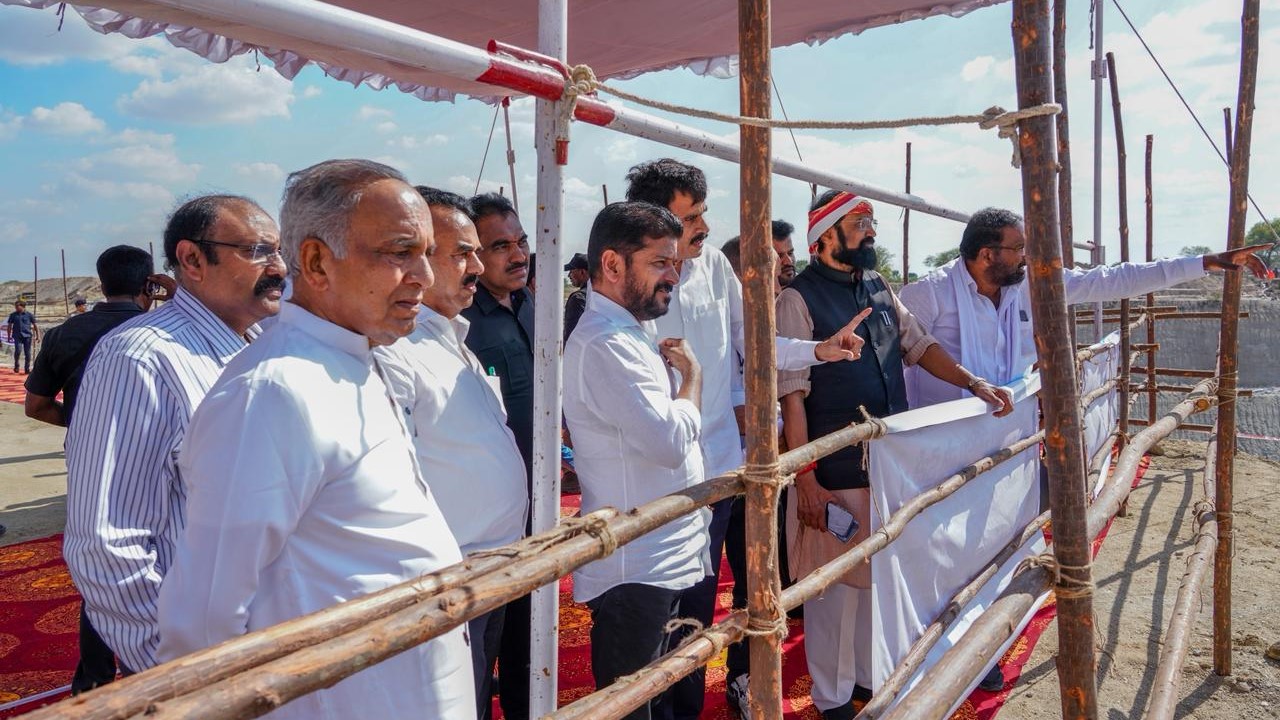
Bengaluru: Telangana Chief Minister A. Revanth Reddy has assured Karnataka of “full cooperation” on matters relating to inter-state water security, irrigation development, and the welfare of farmers, particularly in the border districts of both states, according to former Karnataka Minister N.S. Boseraju.
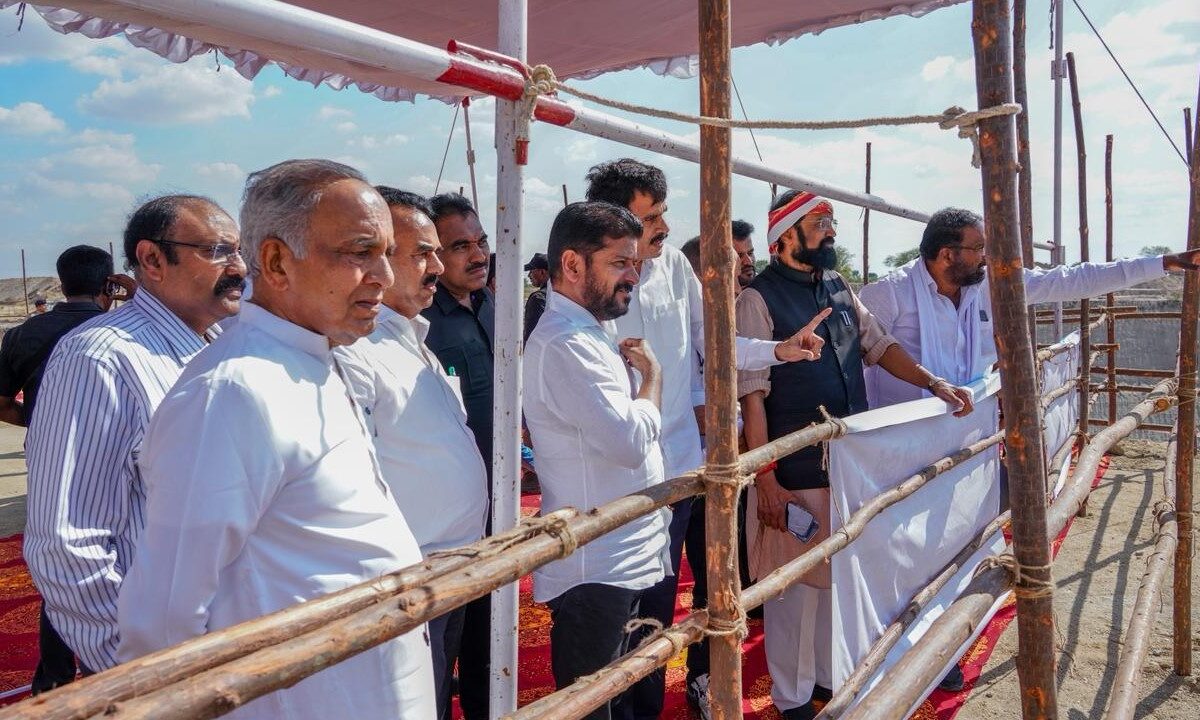
Boseraju, along with Chief Minister Revanth Reddy and senior members of the Telangana Cabinet, visited and reviewed several major irrigation projects, including the Phase-I Pump House of the Gudendoddi Reservoir Project, the Makthal–Narayanpet–Kodangal Lift Irrigation Scheme (MNKLIS), and the site of the proposed Bhima-Krishna Barrage.
Major benefits for Raichur and Yadgir
During the review, discussions focused on the proposed barrage downstream of the Narayanpur Reservoir (Basavasagar). The project is aimed at harnessing water released through the reservoir spillway and utilizing it for drinking water supply to nearby habitations.
According to Boseraju, the proposed barrage is expected to deliver substantial benefits to both Karnataka and Telangana, particularly to the drought-prone districts of Raichur and Yadgir, by improving drinking water availability and supporting agricultural activities.
The project is also expected to strengthen several existing lift irrigation schemes in the region and significantly improve connectivity between Raichur and neighboring areas of Telangana, creating new opportunities for economic growth and regional development.
Strengthening water security
Boseraju said the irrigation infrastructure being developed across the Bhima and Krishna river basins was playing a crucial role in enhancing water security and supporting long-term agricultural sustainability.
“These are not merely infrastructure projects. They are strategic investments in water conservation, storage augmentation, irrigation reliability, groundwater recharge, and climate resilience. Such initiatives will play a critical role in strengthening the region’s water security and agricultural economy,” he said.
Highlighting the significance of the proposed Bhima-Krishna Barrage, Boseraju noted that the structure would facilitate regulated releases to downstream areas while ensuring more efficient utilization of Krishna river waters.
“The Bhima and Krishna rivers are lifelines that connect the future of both Telangana and Karnataka. The proposed barrage will help ensure continuous water availability to downstream regions and improve the overall utilization of Krishna waters. Sustainable management of these shared resources is not merely a developmental necessity — it is a collective responsibility towards millions of farmers and rural communities whose livelihoods depend on them,” he said.
Need for greater inter-state cooperation
Expressing concern over the growing impact of climate change on water resources, Boseraju stressed the importance of collaborative planning and investment.
“As climate variability increasingly challenges traditional water systems, the future of our agricultural economy will depend on how effectively we conserve, store, and manage every available drop of water. Scientific planning, inter-state cooperation, and sustained investments in resilient water infrastructure are essential to meeting these challenges,” he said.
Boseraju also commended Chief Minister Revanth Reddy and the Telangana government for their commitment to strengthening irrigation infrastructure and prioritising water security and farmers’ welfare.
He expressed confidence that Karnataka and Telangana, as neighbouring states sharing common river systems, can emerge as a model of cooperative water governance through stronger collaboration, innovation, and sustainable development initiatives.