Bengaluru: In a move that blends cutting-edge science with grassroots sustainability, Amazon India has partnered with the Indian Institute of Technology (IIT) Roorkee to develop next-generation packaging solutions from agricultural waste — turning what is often burned in fields into a valuable resource for India’s growing e-commerce economy.
The research collaboration aims to create strong, lightweight paper mailers using crop residues such as wheat straw and bagasse, reducing dependence on virgin wood pulp and offering recyclable and home-compostable alternatives to conventional paper and plastic packaging.
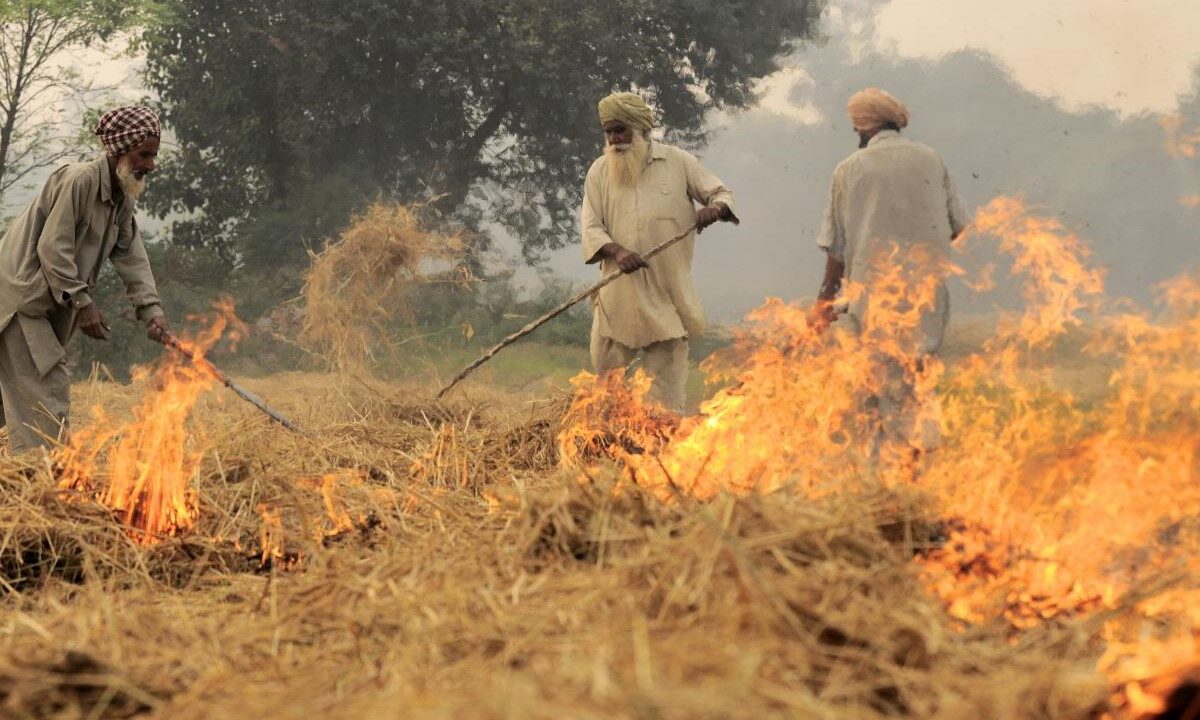
At its heart, the initiative seeks to tackle one of India’s most persistent environmental challenges — stubble burning — by giving agricultural waste a second life.
India generates nearly 500 million tonnes of agricultural residue every year, much of which is burnt due to lack of viable alternatives. By converting this waste into high-quality non-wood pulp, the Amazon–IIT Roorkee project promises a dual benefit: cleaner air and a more circular, self-reliant packaging ecosystem.
The initiative could also open up new income streams for farmers by creating an organised market for crop residues.
The 15-month research programme, led by IIT Roorkee’s Department of Paper and Packaging Technology, will begin with lab-scale development and rigorous testing of the material. If successful, Amazon will support the transition to industrial trials, process validation, and eventual commercial production by mid to late next year.
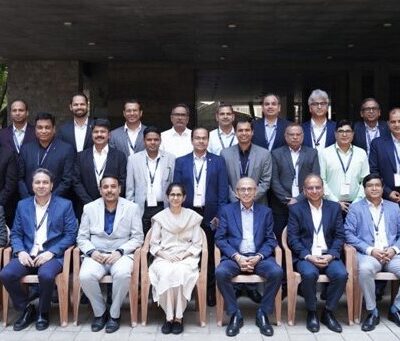
“At Amazon, sustainability is central to how we build and manage India’s fastest and most reliable operations network,” said Abhinav Singh, Vice President – Operations, Amazon India.
“By partnering with IIT Roorkee to develop packaging from crop residue, we are not only reducing reliance on conventional materials but also supporting a circular economy that benefits farmers, communities, and the environment,” he added.
Echoing this vision, Prof. Kamal Kishore Pant, Director, IIT Roorkee, described the collaboration as both timely and nationally significant. “Sustainability is no longer a choice; it is an urgent priority. This initiative aligns closely with national missions such as Swachh Bharat and the National Resource Efficiency Policy. By transforming agricultural residues into biodegradable packaging, we are addressing stubble burning while creating scalable, industry-ready solutions for a self-reliant India,” he said.
The research will be spearheaded by Prof. Vibhore Kumar Rastogi and Dr. Anurag Kulshreshtha of the INNOPAP Lab (Innovations in Paper and Packaging) at IIT Roorkee’s Saharanpur campus, a centre known for advancing sustainable materials and packaging technologies.
The collaboration builds on Amazon India’s broader sustainability roadmap. The company already ships over 50 percent of customer orders in India in original or reduced packaging, delivers in product packaging across more than 300 cities, and has eliminated 100 percent single-use plastic from its fulfilment centres since 2019.
Globally, Amazon’s Climate Pledge commits the company to achieving net-zero carbon across operations by 2040, alongside investments in clean energy, electric transport, circularity, AI, and water stewardship — including a goal to return more water to Indian communities than it uses by 2027.
By marrying academic innovation with industrial scale, the Amazon–IIT Roorkee collaboration signals how India’s agricultural by-products could power a greener logistics future — where farm waste becomes a symbol not of pollution, but of possibility.