Bengaluru: The recent GST reduction on smaller farm machinery — from 12 percent to 5 percent — has delivered a powerful push to rural mechanisation, making equipment more affordable for small and marginal farmers.
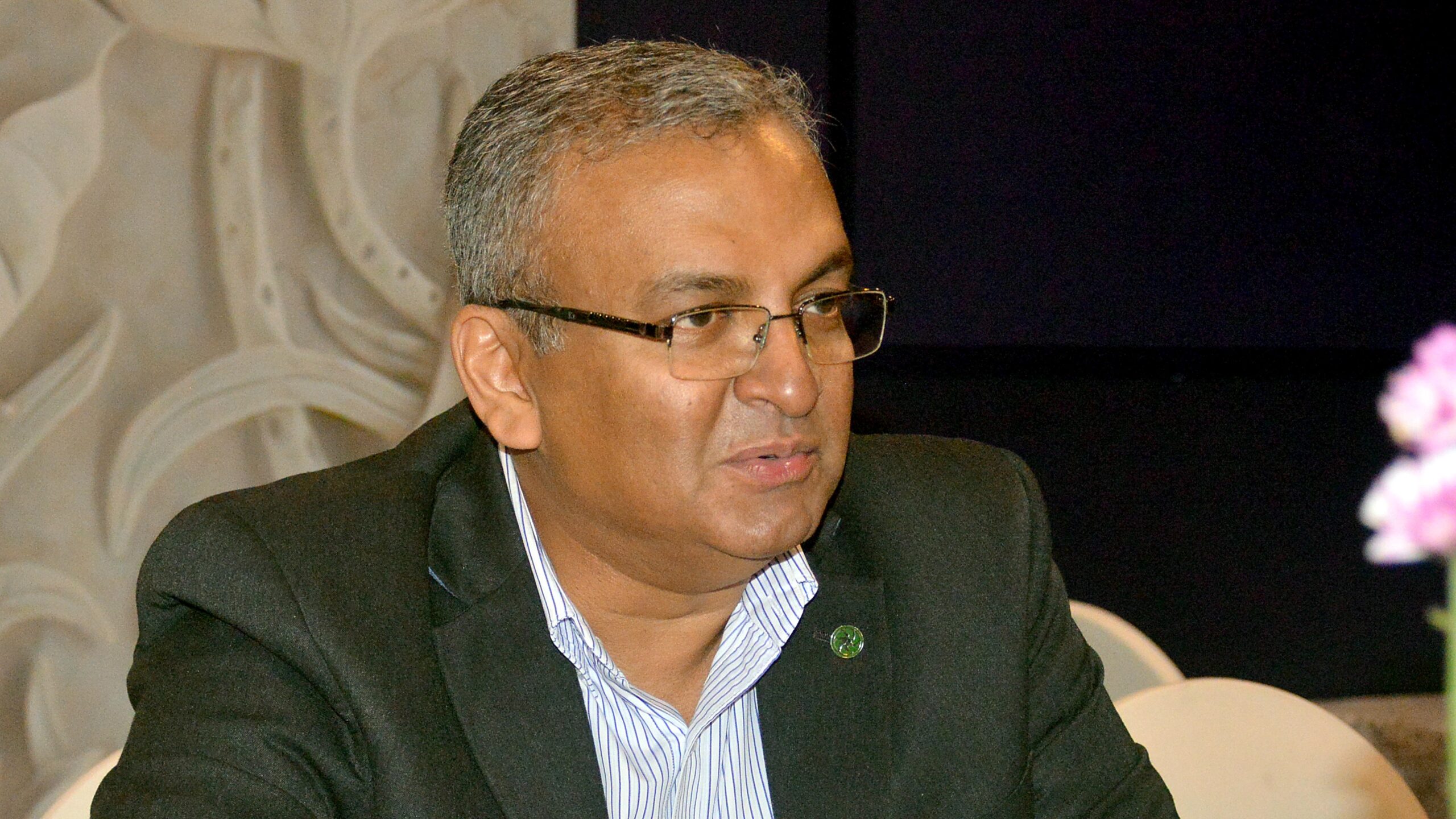
The author, in an exclusive interview with Anthony Cherukara, CEO of VST Tillers Tractors Ltd., gleaned information on the several ways this is likely to impact the sector.
AKR: How will this decision impact the sector?
AC: The GST cut has positively influenced the smaller HP machines. For small farmers, even one or two EMI savings make a huge difference. This reduction directly supports the affordability factor. I am referring to compact tractors and power tillers in the 12–20 horsepower range. Small farmers often struggle to access capital. For larger farmers, financing is easier. But for small farmers, accessing capital itself is a challenge. So this benefit matters a lot more to them.
AKR: Any first signs of impact?
AC: The combined effect of the festive season and the GST cut has already been felt in the market. In October, the tractor industry grew by over 14 percent. Our power tiller segment, for instance, more than doubled — from 1,700 units last October to over 4,000 units this year.
AKR: Any data to support your thesis?
AC: Last year, VST sold 37,000 power tillers; this year, it expects to cross 45,000 units, backed by strong demand from paddy-growing regions across Assam, Odisha, Andhra Pradesh, Tamil Nadu, and Kerala. The second half of the year is expected to be even better than the first. VST’s tractor division also continues to perform strongly. Last year we sold over 6,000 tractors, and this year we expect around 10 percent growth.
AKR: Who’s driving the change?
AC: It is the small and mid-sized farmers who are driving a structural change in the market. In India, farmers with 5–15 acres are increasingly opting for higher horsepower tractors — not only for their own fields but also to rent out. Tractor rental has become an income stream.
AKR: Describe the challenges faced and possible solutions in the process.
AC: For marginal farmers, affordability remains the key. A small farmer can’t buy a different machine for each crop. So we are developing modular equipment. Our new power weeders can handle different crops — carrot, turmeric, onion, radish — by simply changing attachments. To accelerate innovation and reach, VST has tied up with Tamil Nadu Agricultural University (TNAU) to demonstrate new farm equipment directly in villages through the Krishi Vigyan Kendras (KVKs) network.
AKR: How has your firm evolved over time?
AC: VST, which began as a joint venture with Mitsubishi in 1967, now operates independently but continues to evolve technologically. We have moved far beyond the JV days. Much of our technology is now developed in-house. A major part of that transformation is the new VST Global Tech Centre in Hosur, with an investment of ₹100 crore. This facility, ready by the end of next financial year, will be the hub of our innovation.
AKR: What’s birthing at this centre?
AC: One of the most anticipated products from this centre is the ‘CORE’ series — a hybrid between a power tiller and a compact tractor, available in 13–20 HP variants. It offers the convenience of a tractor at almost the price of a tiller — around ₹2.5 lakh — and will also have an electric version.
AKR: What are your export plans?
AC: On the export front, VST has expanded its footprint to 40 countries and is setting up a European base in the Netherlands. It has also registered VST Tillers Tractors Americas Inc. in Delaware to tap the US market once tariff barriers ease. We sold about 1,500 tractors in Europe last year and will maintain that momentum.
AKR: And how is business in the domestic market?
AC: Domestically, we are diversifying into high-precision engineering. Our Precision Components Division in Mysuru now supplies to Mitsubishi Heavy Industries and to metro and railway projects in India and Europe. This is part of our China Plus One strategy. We are also seeking aerospace certifications. The division is expected to clock in ₹20 crore in revenue, this fiscal.
AKR: How do you view the market in the next few years?
AC: I am quite upbeat about the rural economy’s trajectory. Unlike urban markets where you see short peaks, rural demand grows gradually but sustains longer. The GST benefit will continue to support farm mechanisation for years. However, agricultural productivity growth must stay above 4 percent to ensure food security. We can’t depend on the monsoon alone anymore. Mechanisation, crop diversification, and modern practices will drive the next phase of Indian agriculture. Mechanisation is no longer a luxury — it’s a necessity.