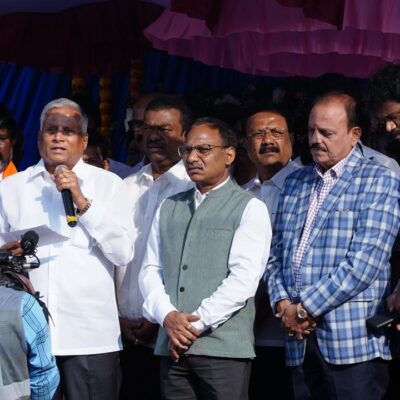
Bengaluru: The Right To Health (RTH) Jatha from February 2-17, organised across all 31 districts of Karnataka by the Drug Action Forum — Karnataka (DAF-K), the Sarvatrika Arogya Andolana (SAA-K) and around 40 partner organisations culminated in a valedictory public meeting at Gandhi Bhavan recently.
At the event, Karnataka Health Minister Dinesh Gundu Rao mentioned that the State was moving forward on the proposed Right To Health Act and strengthening public health systems.
Addressing representatives, health activists, workers’ unions, community-based organisations and district delegations who participated in the Jatha, the Minister stated: “We have completed all the background work to bring in the Right to Health Act, and soon, we are going to submit it to the Chief Minister.”
He further assured that the issue of medicine shortages in government hospitals was being addressed on priority. “We have purchased medicines and the process is being streamlined. All government hospitals will have enough supplies shortly, and normal supply of free medicines will be ensured within two months,” he said, adding that the government had been closely observing the work undertaken by public health movements in Karnataka.
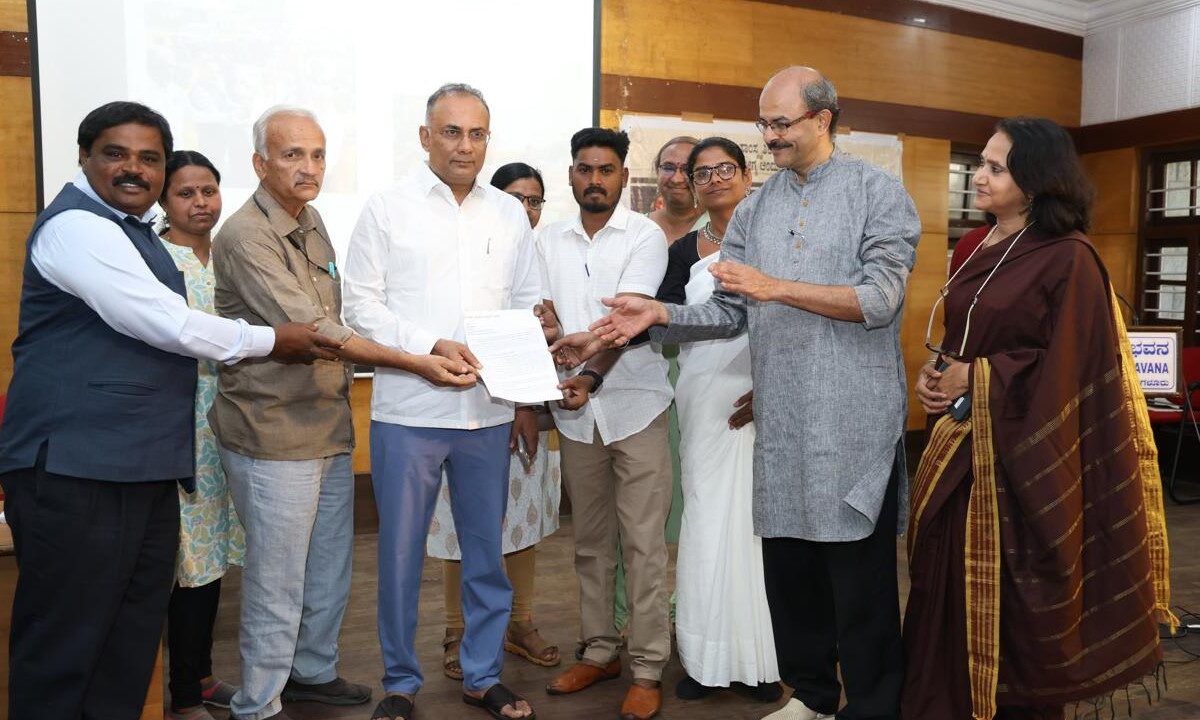
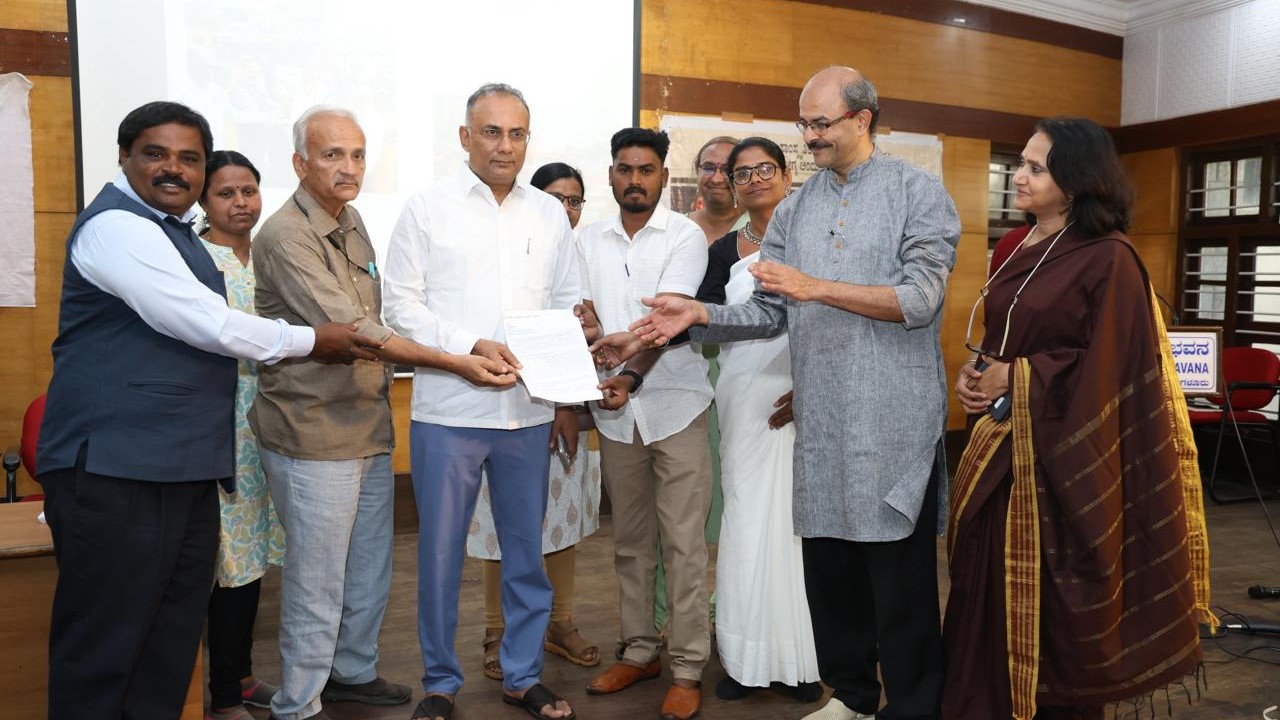
During the event, a detailed memorandum was formally submitted to the Health Minister, highlighting key demands emerging from the statewide consultations and district-level public hearings conducted during the Jatha.
The memorandum emphasised that free and quality medicines must be made available in all government hospitals, the privatisation of district hospitals under PPP models must be withdrawn, and a comprehensive Right To Health Act must be enacted in Karnataka.
Earlier in the meeting, community representatives from different districts presented ground-level testimonies on the state of public health services.
Bogesh Sollapura from Vijayapura referred to the prolonged people’s struggle against the proposed privatisation of the Government Medical College hospital. “We undertook 106 days of sustained agitation in Vijayapura to oppose privatisation. The Chief Minister’s intervention to halt it gave people hope that public hospitals must remain accessible to the poor,” he said, urging the government to abandon PPP models in all districts.
Vaishali N Byali, Co-Chair, Movement for Gender and Sexual Pluralism, stressed the urgency of legislative action, noting: “The Right to Health Act is not just a policy demand but a constitutional necessity. Healthcare should be a guaranteed right for all, especially marginalised communities who depend entirely on public hospitals.”
Sayyed Ishmail, Chief Pharmacist, Karnataka State Medical Supplies Corporation Limited (KSMSCL) accepted that “60 to 70 percent of treatment expenditure is spent on medicines,” and therefore, ensuring free and quality medicines in government facilities is the foremost demand of the movement.
SAA-K members also pointed out that a survey in 2024 across 12 districts of Karnataka found that patients collectively spent over ₹4 lakh on medicines, highlighting gaps in the public supply system.
Prasanna Saligram, public health researcher and SAA-K member, said: “For nearly 25 years, medicine supply in government hospitals has remained inconsistent. It is mandatory for the State to ensure free, quality medicines and we will continue to monitor the system through people’s audits and community engagement.”
Dr. Swathi SB, public health doctor and SAA-K member, called for the complete withdrawal of PPP-based privatisation of eight district hospitals, arguing that “such models increase treatment costs and reduce accessibility for the poor, Dalits, Adivasis, transpersons, persons with disabilities, workers, slum residents and other vulnerable groups who rely primarily on public health institutions.”
Responding to these concerns, the Health Minister acknowledged the sensitivity of the PPP issue. “It is a very sensitive matter. Due to long struggles and protests, the Chief Minister has already taken a decision on the Vijayapura issue. However, these decisions are not solely in my hands, and I cannot promise a blanket halt to all PPP ventures,” he clarified.
The programme also featured a powerful cultural performance by the Beru Bevaru cultural team, whose folk songs highlighted themes of health rights, public accountability and equitable access to healthcare, reinforcing the message of the Jatha.
“The statewide mobilisation across 31 districts has strengthened public dialogue on health as a fundamental right and expressed hope that the government will initiate time-bound policy action based on the memorandum submitted and the testimonies gathered from communities across Karnataka,” said Dr Gopal Dabade, an ENT surgeon and President, DAF-K, under whose joint banner with SAA-K, the Jatha was organised.