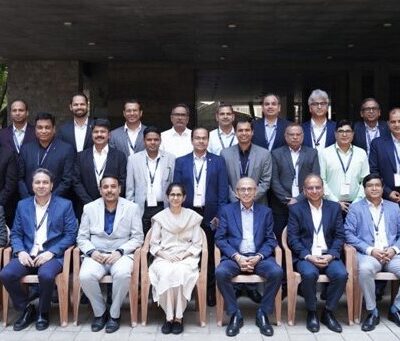
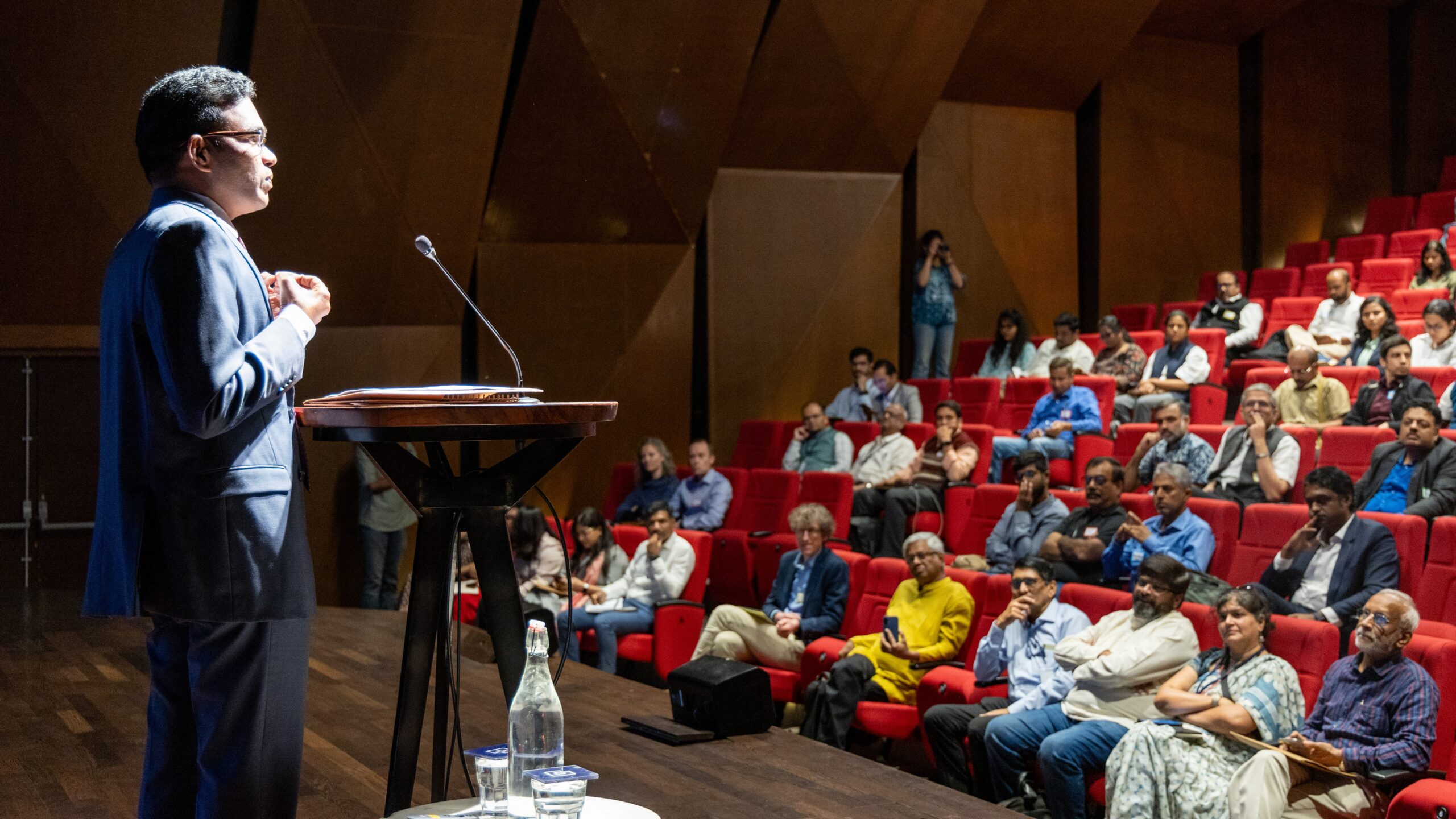
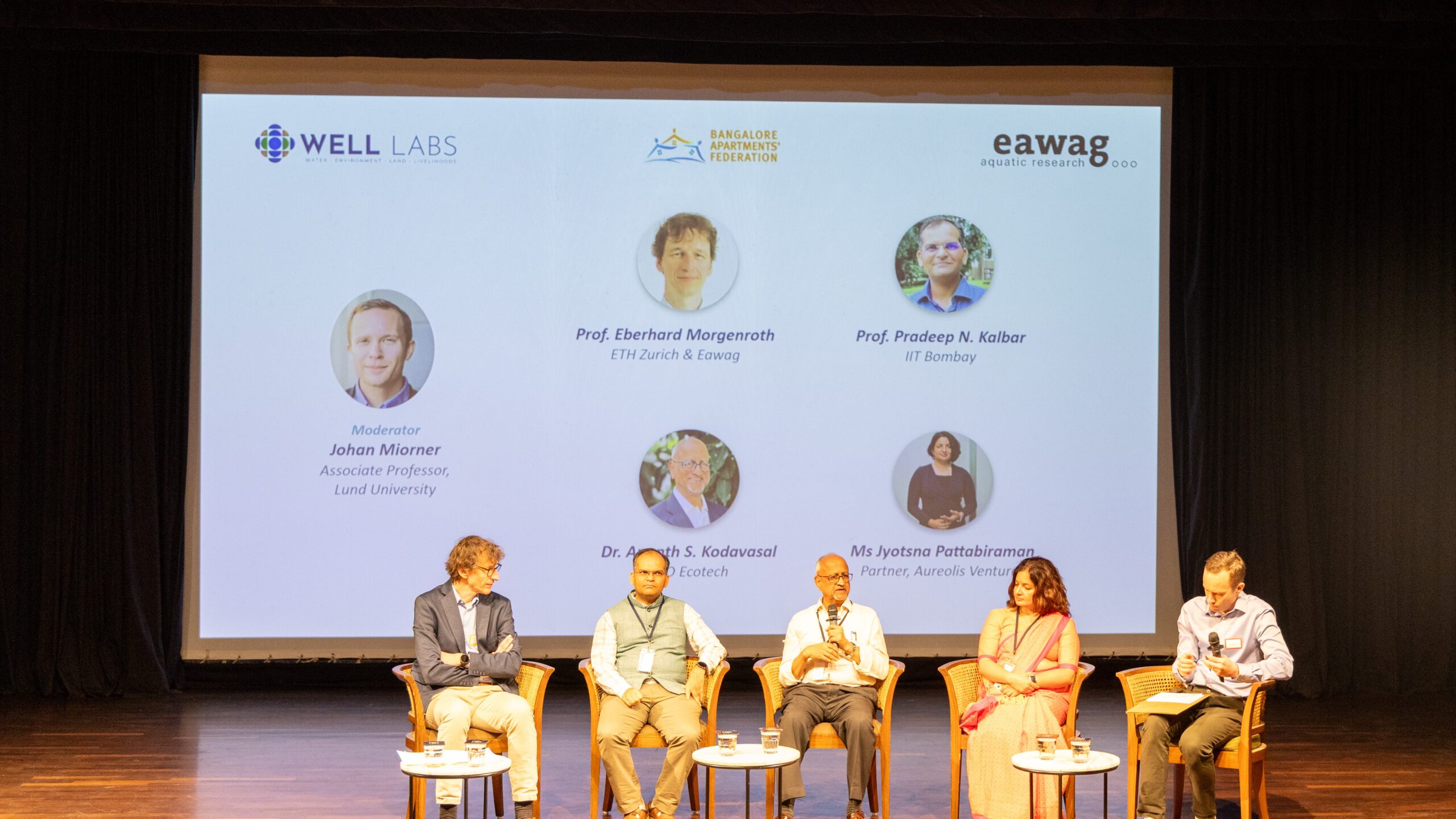
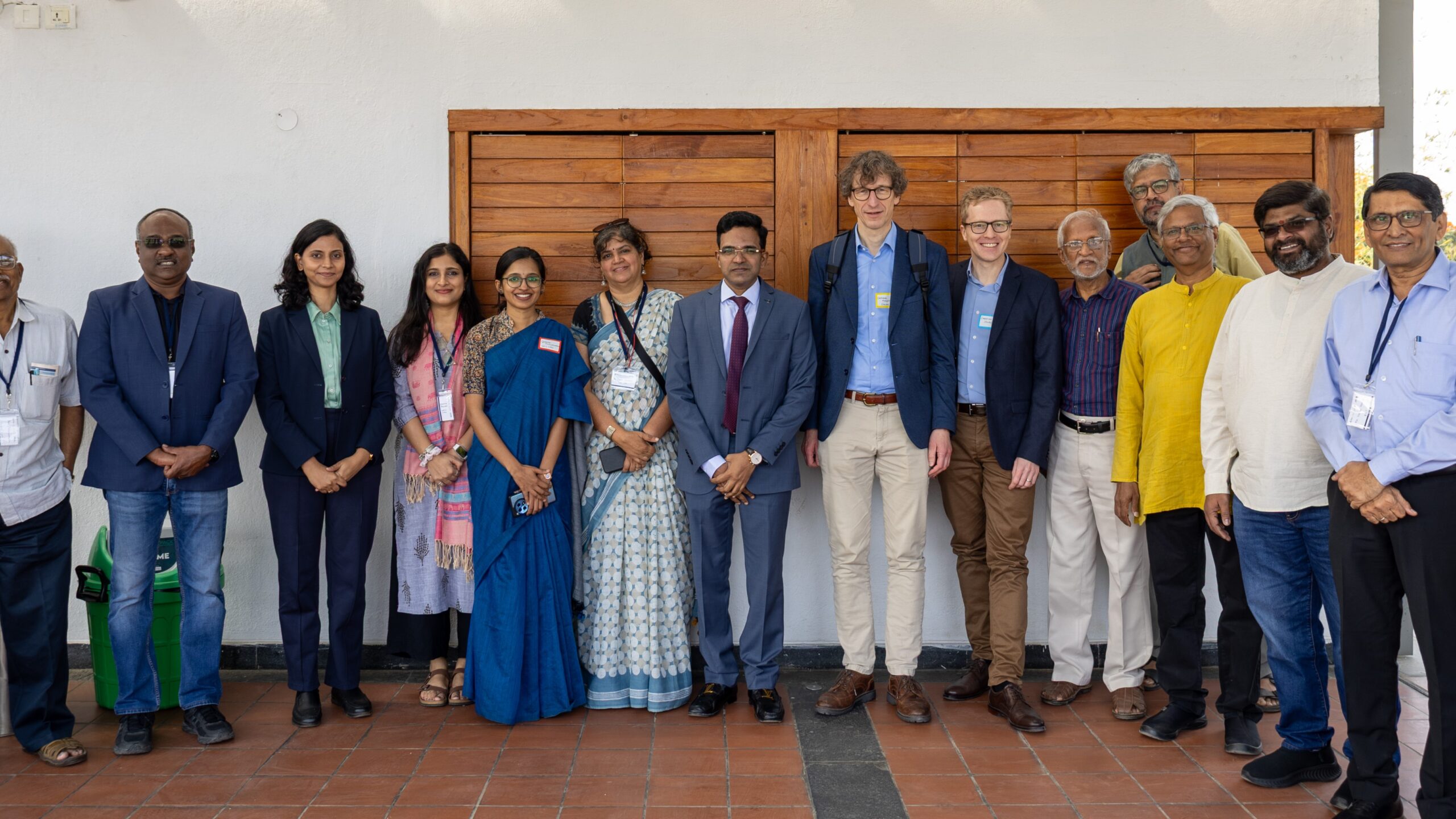
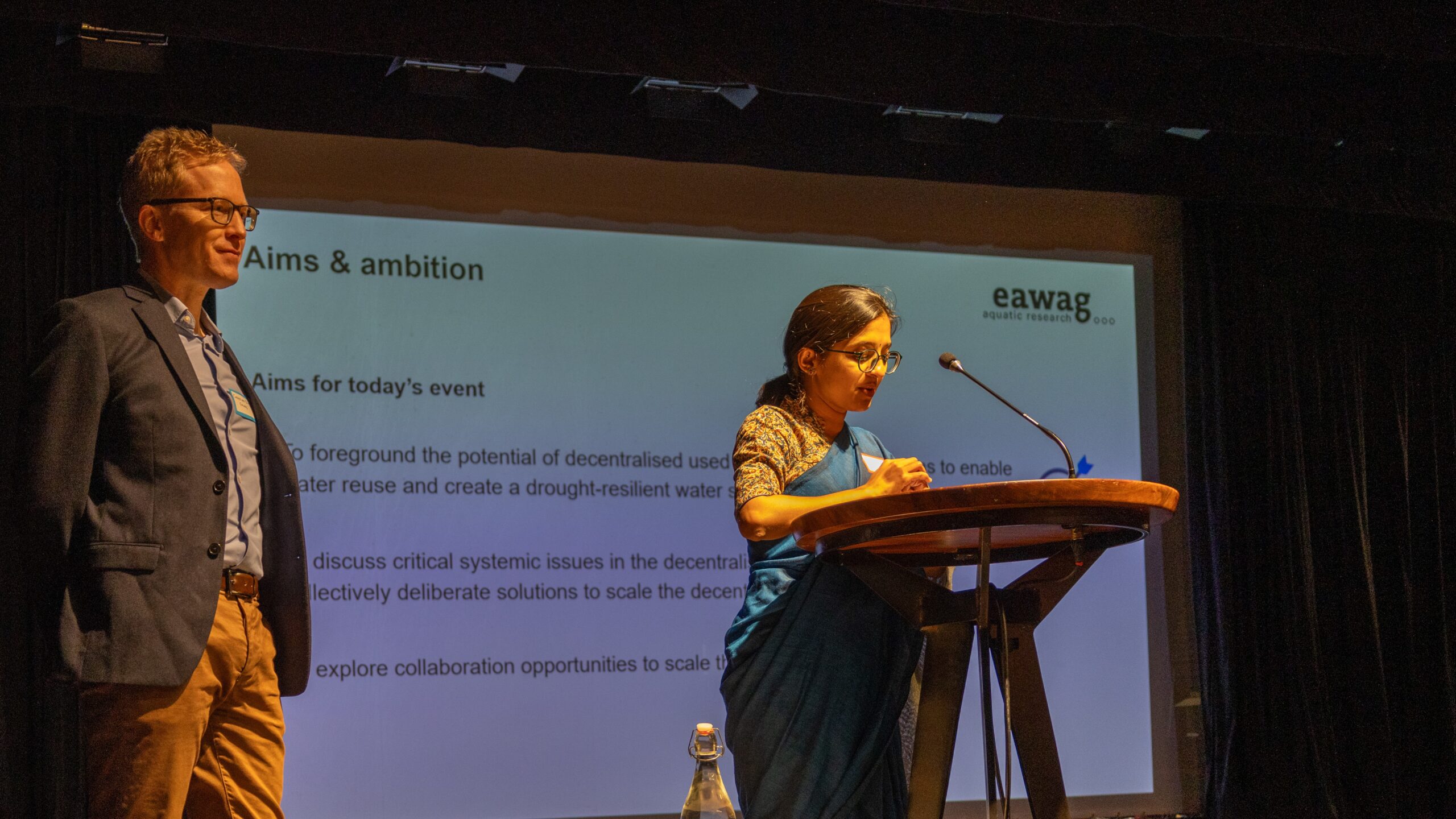
Bengaluru: WELL Labs, the Swiss Federal Institute of Aquatic Science and Technology (Eawag), and the Bangalore Apartments’ Federation (BAF) jointly organised a workshop recently on ‘Strategies for Decentralised Water Reuse in India’.
The event, held at the Bangalore International Centre, highlighted the urgent need to mainstream decentralised wastewater reuse, scale the city’s Sewage Treatment Plants (STPs) into integrated reuse networks, and enable a resilient, circular water future.
Speakers highlighted the need to make water reuse the norm, going forward, if Indian cities are to address deepening scarcity concerns.
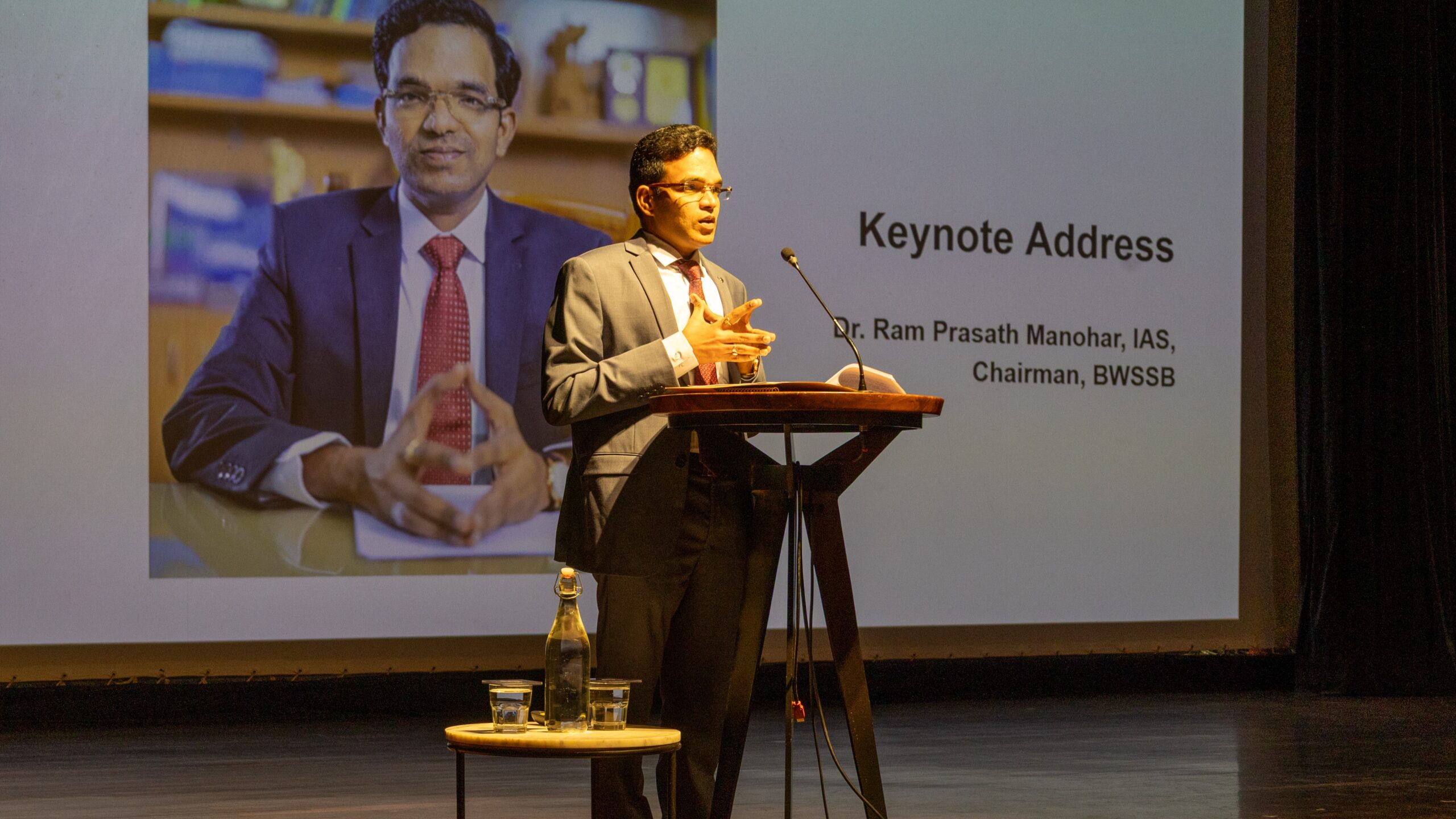
Delivering the keynote address, Dr. Ram Prasath Manohar V, Chairman, Bangalore Water Supply and Sewerage Board (BWSSB), called for a fundamental shift in how cities think about water — from how much water is supplied, to how many times the same water can be used.
“Reuse of treated wastewater is no longer a peripheral environmental intervention. It is fast becoming the backbone of urban water security,” he said.
Highlighting the BWSSB’s adoption of the ‘One Water’ approach, the Chairman outlined three priority pillars to advance wastewater reuse in Bengaluru:
- The first pillar positions reuse as a core component of the city’s water balance. Bengaluru currently treats around 1,348.5 million litres of wastewater every day through 34 centralised STPs. If reliably reused, this volume can meet most of the city’s non-potable demand — including industry, construction, cooling, landscaping, and lake replenishment — while reducing pressure on rivers and groundwater.
Reuse, he noted, has already proven its value during the 2024 water crisis by buffering drought impacts and supporting environmental recovery.
However, nearly 825 MLD of treated water is currently used for lake rejuvenation (Chikkabalapur and Kolar projects from KC and HN valley project) for primitive usage in minor irrigation.
Commercial and industrial reuse remains limited, underscoring the need for scaling decentralised systems with robust quality monitoring frameworks.
- The second pillar focuses on transforming decentralised STPs from compliance-driven infrastructure into a city-scale resource. Bengaluru has one of the world’s largest decentralised STP footprints, with an estimated 4,500 apartment complexes, IT parks, and campuses operating on-site treatment systems. By 2035, decentralised systems could meet up to 25 percent of the city’s total water demand.
BWSSB, he said, was working towards an integrated reuse grid — similar to piped water networks — supported by reuse corridors, storage, booster infrastructure, and online monitoring.
Pilot initiatives such as the Peenya Industrial Area, where 4 MLD of treated wastewater is being supplied through a dedicated pipeline, demonstrate how reuse markets can be systematically developed, he added.
- The third and most critical challenge identified was demand certainty. While treatment technology is not a limiting factor, predictable long-term demand is essential to make reuse bankable infrastructure.
BWSSB’s digital platform, Jalasnehi, enables users to book treated water online at ₹10-20 per kilolitre, but sustained uptake from bulk consumers such as industry, construction, hospitality, and transport sectors is needed.
Long-term offtake agreements, the Chairman noted, can unlock private investment in pipelines, storage, and advanced treatment.
Depinder Kapur, Head, Climate Centre for Cities, NIUA, spoke on national studies of sewage treatment and reuse, noting that Karnataka and Delhi lead the country with reuse levels of 49 percent and 43 percent respectively.
He emphasised that Bengaluru’s political and institutional push to mainstream decentralised reuse offered a model for other Indian and global cities, and called for the upcoming Liquid Waste Management Rules, 2025, to include enforceable targets and penalties to reduce freshwater demand through mandatory reuse.
Speakers also were unanimous on the fact that wastewater should be recognised not as a burden, but as one of the city’s most valuable assets.
Mainstreaming decentralised wastewater reuse, they noted, was essential to building a resilient, circular, and future-ready urban water system — one that values every drop.
The panellists also underscored major governance and management gaps — unclear accountability, weak regulation, lack of skilled operators, and high operational costs — alongside the need to shift from basic compliance to fit-for-purpose reuse.
What emerged from the discussions was the need for a crystal-clear urban water policy, a single nodal agency, better operator training, automation, standardisation, and stronger narrative-setting by the state to achieve the aims set out.