
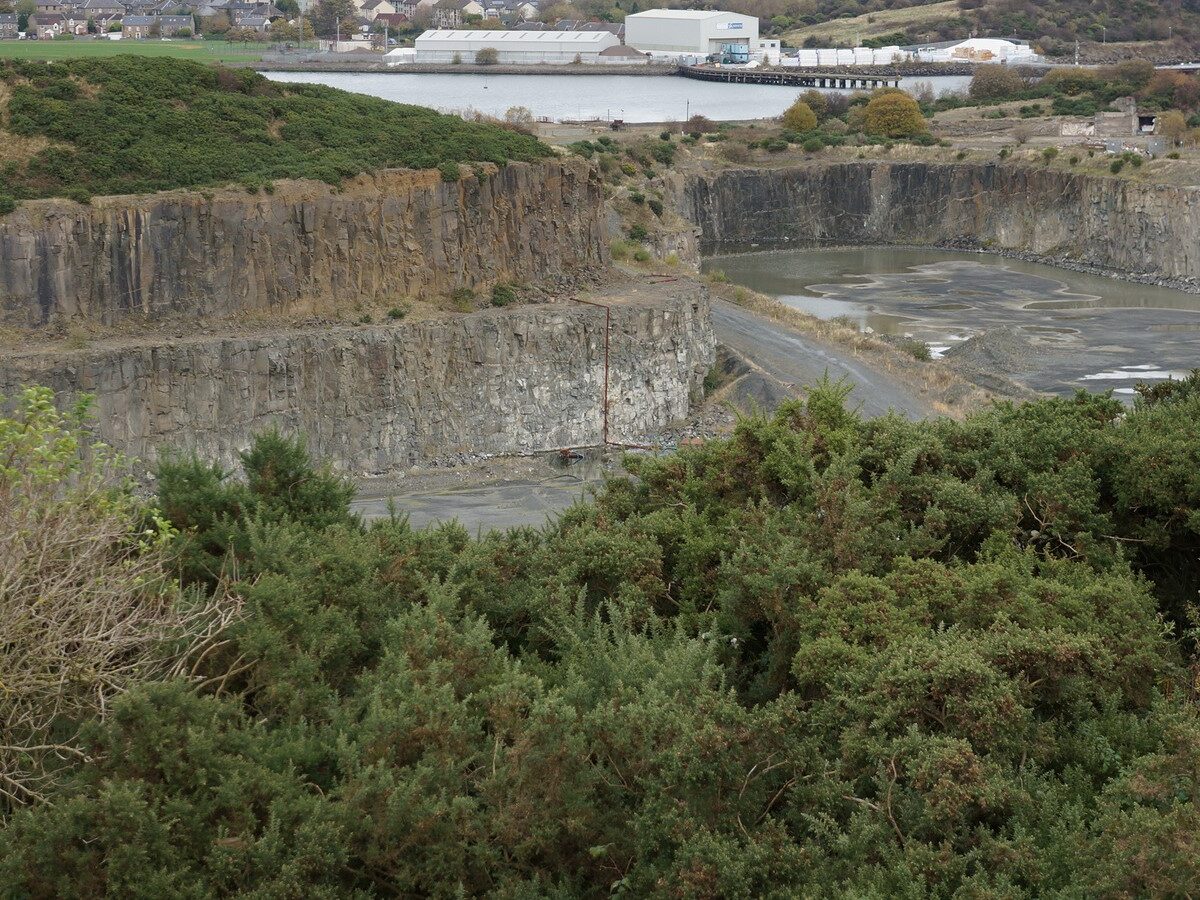
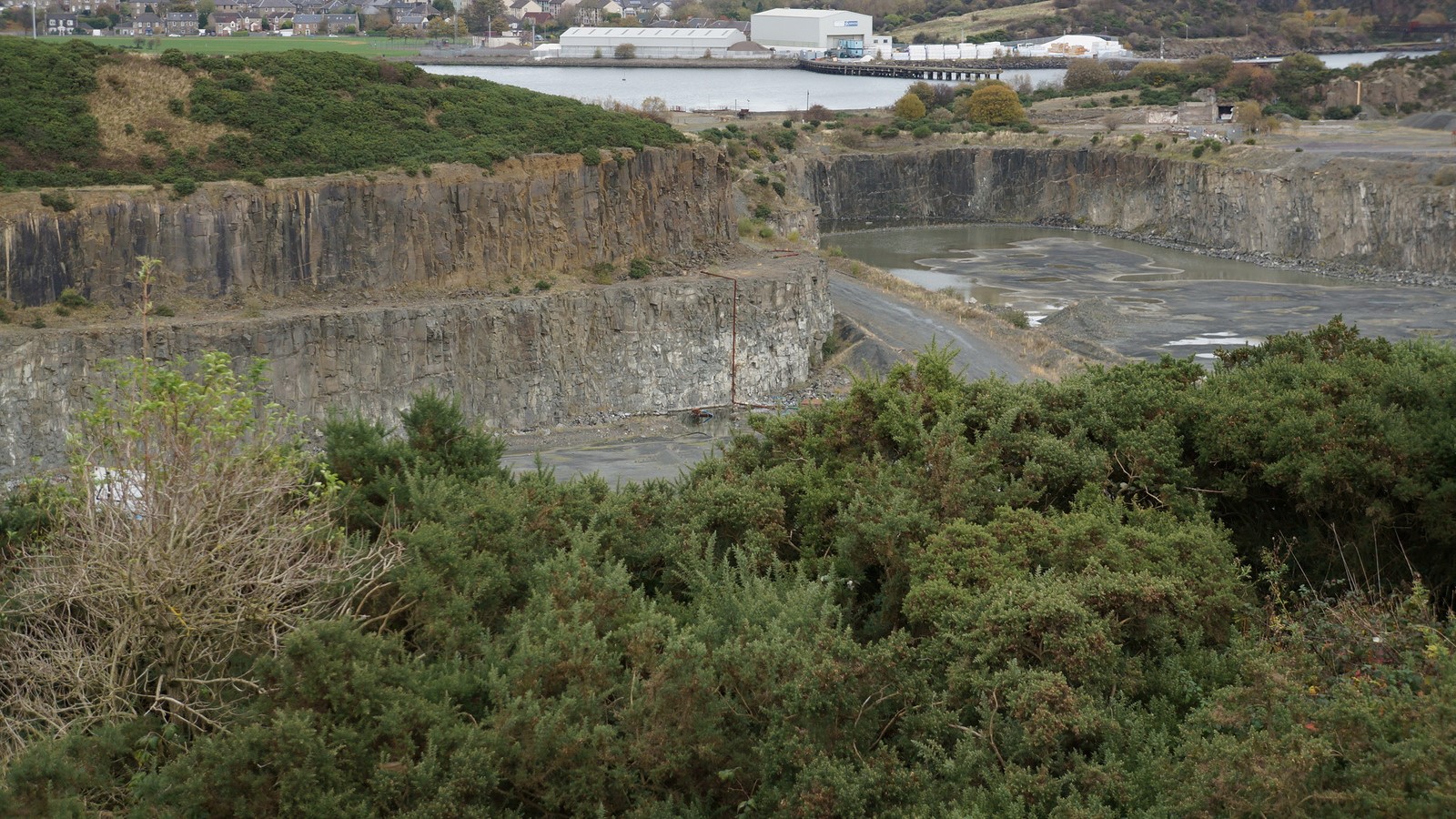
Bengaluru: A routine workday turned into a nightmare on the outskirts of Bengaluru on Thursday morning when a massive boulder crashed into a stone quarry, killing seven migrant workers and leaving several others injured in one of the city’s deadliest industrial accidents in recent years.
The tragedy unfolded at around 7.30 a.m. at the Kaveri Jelly Crusher in Madapatna village, Bengaluru South taluk, where labourers had just begun their daily work. Within seconds, a giant rock, reportedly dislodged by a JCB excavator operating at an upper quarry, thundered downhill and slammed into the work area below, giving workers virtually no chance to escape.
The victims — daily wage labourers in their 30s and 40s — had travelled hundreds of kilometres from their homes in search of a better livelihood. Most hailed from Madhya Pradesh, while others were migrant workers from Bihar and Karnataka’s Yadgir district. They had left behind families, dreams and hopes, only to lose their lives in a tragedy that has once again highlighted the vulnerability of India’s migrant workforce.
The deceased have been identified as Ramu, Rajpal Singh, Satyanarayan Singh, Ram Avtar Singh, Rajendra Prasad, Nuhar, and Bhuvaneshwar Singh. Several injured workers were rushed to hospital, with one reported to be in critical condition.
Survivors recounted horrifying moments as the enormous boulder came crashing down without warning. One survivor, Gopi, alleged that workers at the upper quarry failed to alert those below before moving the rock, raising serious questions about safety coordination between the two quarry sites.
Authorities said nearly 15 to 20 workers were present when the accident occurred. Many of them lived in temporary makeshift shelters near the crusher unit, working long hours under hazardous conditions to support families back home.
Rescue teams, police personnel, and officials from the Mines and Geology Department rushed to the site, using heavy machinery to clear debris amid fears that more workers could have been trapped beneath the rocks.
The quarry owner, identified as Anandaswamy, has been taken into custody for questioning as investigators probe whether the quarry was operating with valid permissions and whether mandatory safety protocols were followed.
Karnataka Deputy Chief Minister D.K. Shivakumar, who visited the site, expressed grief over the loss of lives and ordered a detailed inquiry into the incident. He said the government would determine responsibility after receiving the official report and assured that compensation would be provided to the victims’ families after completing the necessary procedures.
The accident has also brought renewed focus on safety standards in Karnataka’s quarrying industry. Investigators are examining whether both quarry operators complied with statutory regulations, whether proper risk assessments were carried out before excavation, and whether communication protocols existed between the adjoining quarry sites.
For the families of the deceased, however, no inquiry or compensation can replace the loved ones they have lost. Their journey to Bengaluru was driven by the hope of earning a modest income to support parents, spouses and children waiting back home. Instead, those families now await bodies instead of wages.
The devastating collapse serves as a grim reminder that behind every infrastructure project and construction boom are thousands of migrant workers who often labour in dangerous conditions with limited protection.
As investigations continue, the tragedy has reignited calls for stricter enforcement of mining safety regulations, better oversight of quarry operations, and greater accountability to ensure that no worker loses life simply while trying to earn a living.