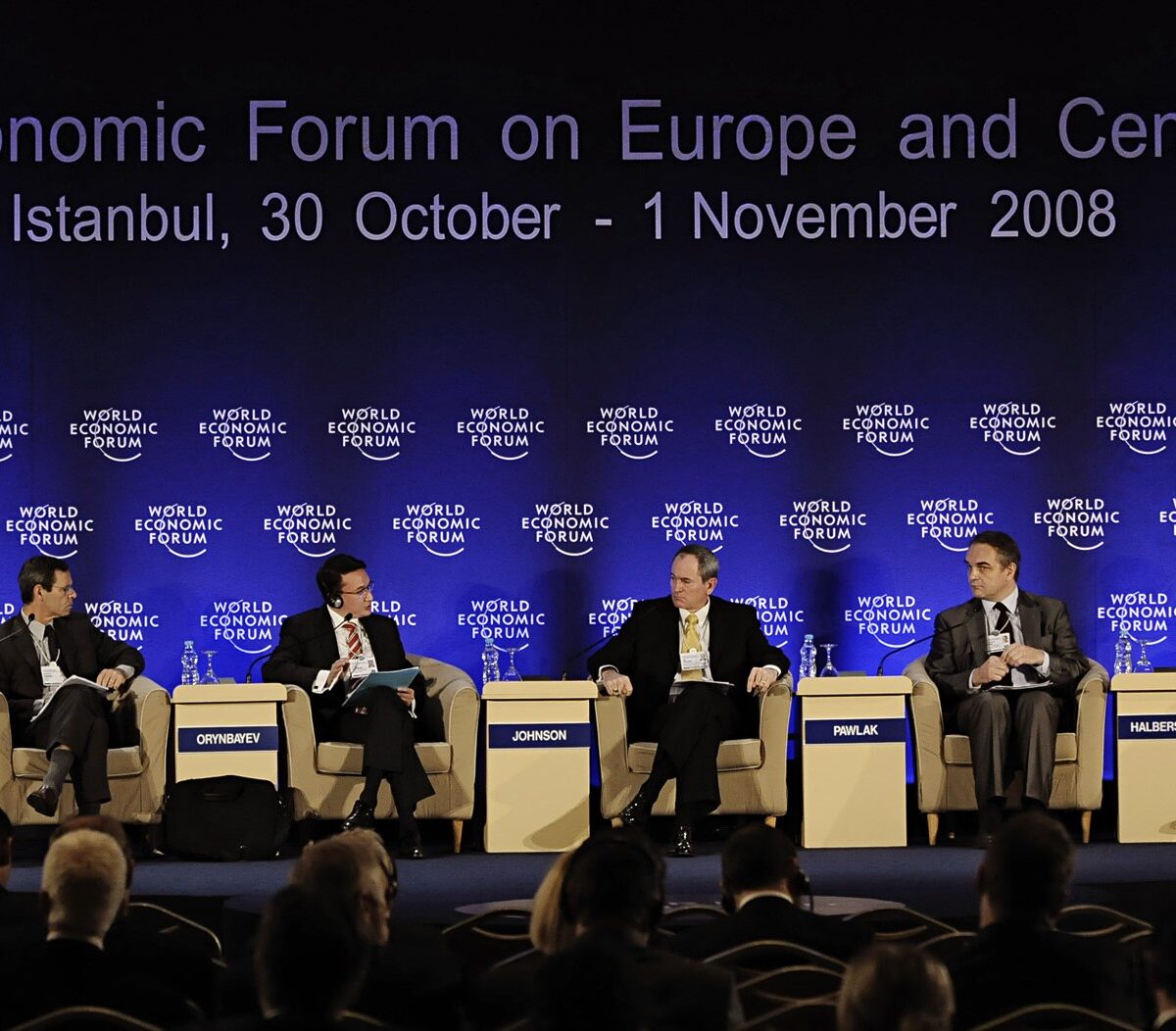
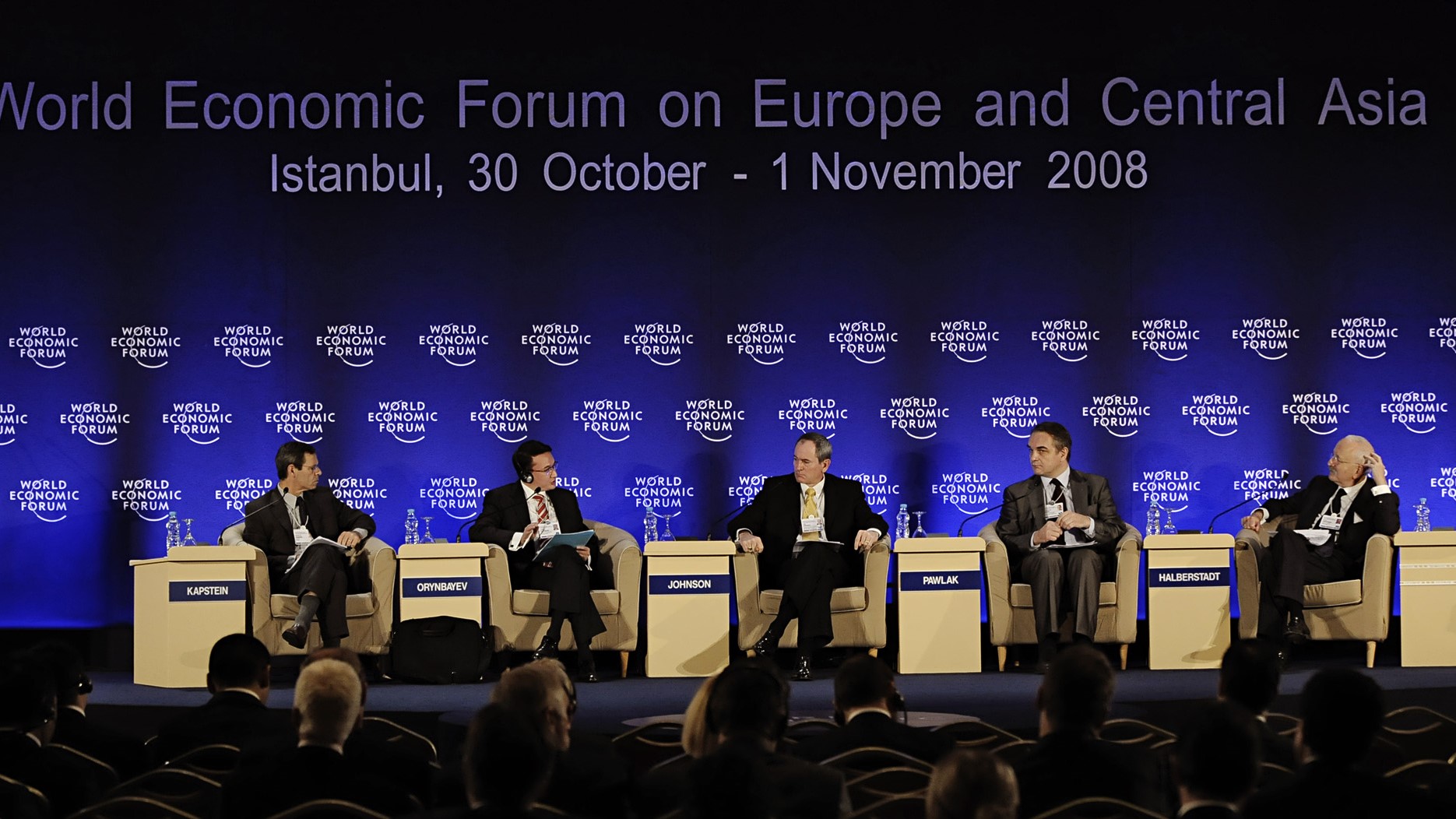
The World Economic Forum (WEF) has recently identified a ‘multidimensional’ crisis where technological risks, such as AI-driven misinformation, and geopolitical fragmentation are colliding with a persistent cost-of-living crisis, across the globe. This creates a volatile environment where traditional economic tools, including interest rate hikes, are increasingly ineffective at maintaining global stability.
The Global Risks Report 2026 by the World Economic Forum highlights the current ‘age of competition’ as a period of diminished multilateral cooperation and rising global fragmentation. Governments are increasingly adopting protectionist policies, contributing to a ‘polycrisis’ defined by geoeconomic tensions, inflation, and AI-driven misinformation.
More than 50 percent of experts anticipate a turbulent future as international trust erodes, hindering the collective action needed to address systemic threats such as debt sustainability and environmental resilience.
The key findings of the WEF Global Risks Report 2026 are as follows:
- The Polycrisis Reality
According to the report, the world is dealing with a ‘cluster of related global threats’ rather than a single issue, as technological, environmental, and economic pressures are now occurring simultaneously, making them more difficult to resolve.
- Misinformation is the #1 Short-Term Risk
AI-generated misinformation and disinformation are identified as major global risks for the next two years, ranking just below geoeconomic confrontation. They have the potential to disrupt markets, provoke social unrest, and undermine the integrity of elections.
- The Cost-of-Living Squeeze
The ‘multidimensional’ disaster is driven by the fact that necessities — such as food, electricity, and housing — remain expensive worldwide, even as inflation has subsided in some areas. As a result, the middle and lower classes are experiencing ‘chronic’ economic distress.
- Economic Geopolitics (Fragmentation)
Global trade is ‘splitting’ into blocs (e.g. West vs East), according to the report. Over the next decade, this ‘fragmentation’ will result in less efficient and more expensive supply chains, which will slow the global growth rate.
- The ‘Climate vs. Economy’ Trap
Environmental risks predominate (extreme weather and ecosystem collapse) over the next decade. The catastrophe here is that there is a ‘deadly delay’ in the green transition, as many nations are either too poor or too preoccupied with conflict.
- AI’s Double-Edged Sword
AI has the potential to increase productivity, but it also risks creating significant technological inequality, according to the WEF. The global wealth gap is expected to widen as wealthier nations advance, while developing countries may lose ‘back-office’ roles, further increasing global disparity.
Conclusion
The Global Risks Report 2026 warns that the global economy faces a level of risk that has never been seen before.
Global leaders must come together to resolve these immediate threats before they escalate into a full-scale global crises. If the present situation prevails over the next decade, both regional and income disparities will become increasingly evident.