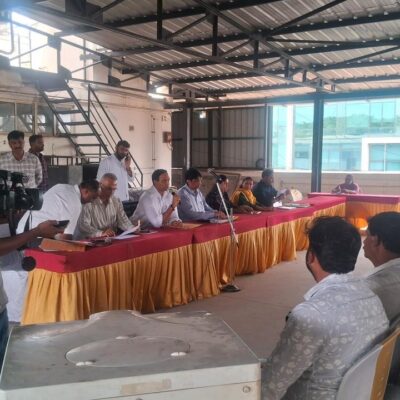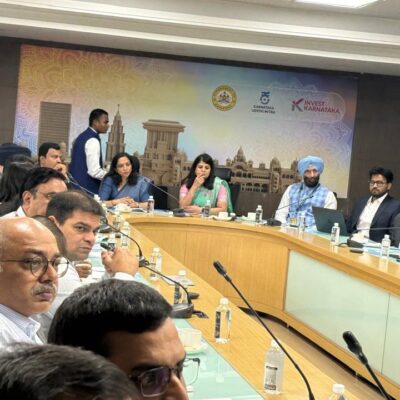
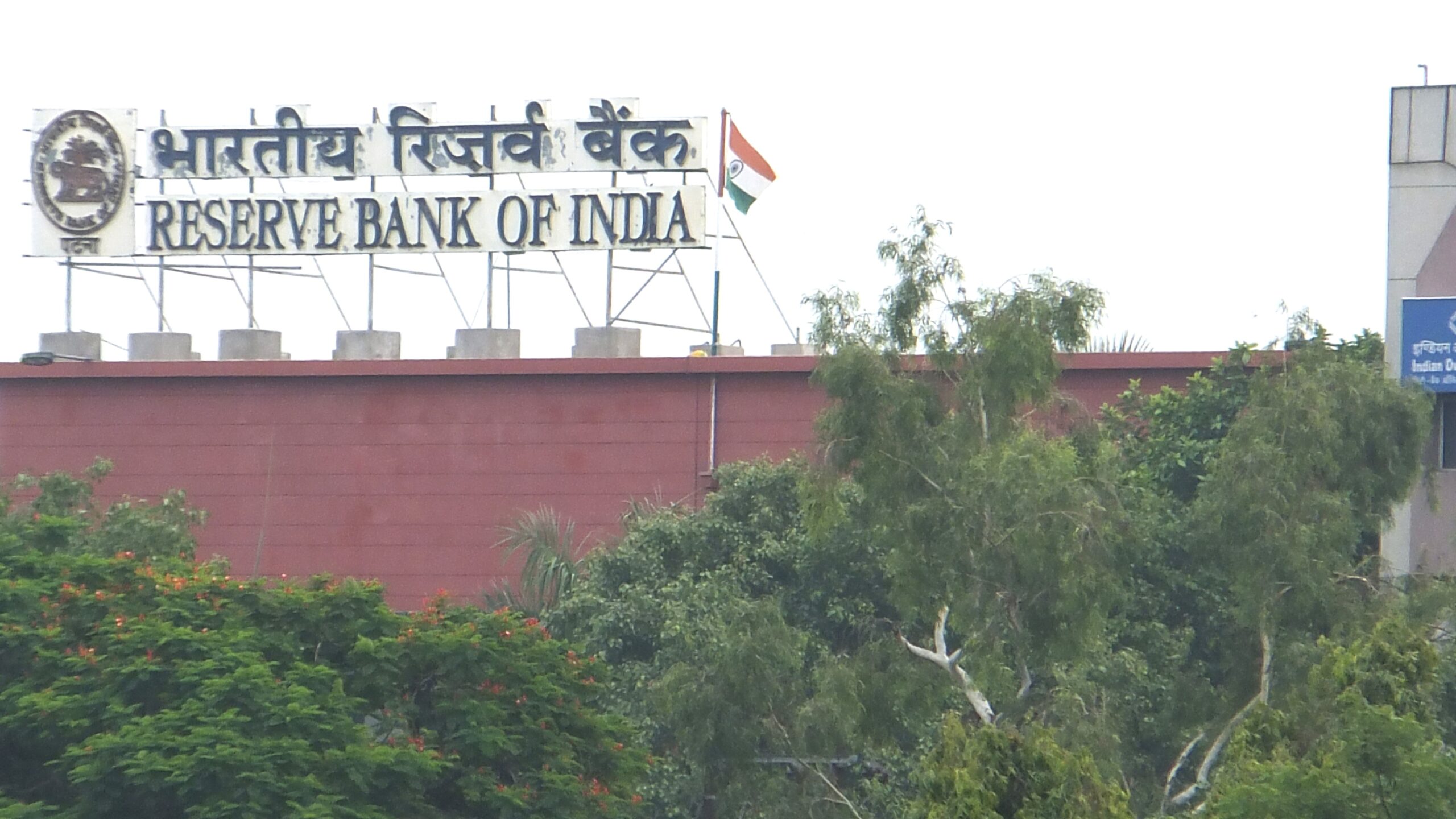
The 58th Meeting of the Monetary Policy Committee (MPC) of the Reserve Bank of India (RBI) convened from December 3 to 5, 2025. The result: Another rate cut – the fourth — this year.
The economy is experiencing robust growth with low inflation. The banking system has consolidated further, and regulations are being refined to strengthen the financial system, thus enhancing ease of doing business and consumer protection.
Monetary policy statement and stance
On 5 December 2025, the MPC delivered a significant decision after a detailed evaluation of the prevailing macroeconomic and financial conditions. It has unanimously reduced the key policy rate (i.e. Repo Rate) under the Liquidity Adjustment Facility by 25 basis points (bps) to 5.25 percent.
As a result, the Standing Deposit Facility (SDF), which now stands at 5 percent, the Marginal Standing Facility (MSF) rate and the Bank Rate are now adjusted to 5.50 percent.
This is the fourth time this year RBI has opted for a rate cut. As a result of 100 basis points (till December 5), the Weighted Average Call Rate (WACR), the three-month Treasury bill rate, the rate on three-month commercial papers issued by non-banking financial companies (NBFCs), and the three-month Certificate of Deposit (CD) rate have all declined by different amounts ranging from 110 to 140 basis points this year.
MPC stance
The MPC decided to maintain its neutral monetary policy stance, though it has opted for a rate cut. One of the members (Prof. Ram Singh) held the view that the stance should be changed from neutral to accommodative.
Rationale behind policy decision – i.e. Repo Rate Cut
The MPC has noted that inflation has declined significantly, mainly due to lower food prices. Projections for inflation in 2025-26 and 2026-2027 have been revised downwards. Core inflation, which had been increasing, has eased slightly and is expected to remain stable.
Both headline and core inflation are expected to be around 4 percent in the first half of 2026-27. The impact of rising precious metal prices on inflation is minimal. Despite resilient growth, it is expected to slow down somewhat.
The rationale behind the policy decision was the growth-inflation dynamics, especially the benign inflation outlook on both headline and core, which provides the requisite policy space to support the growth momentum.
The global economy displayed mixed signals with improved performance and normalised trade activities. Uncertainty decreased post-US government shutdown resolution and progress on trade agreements. Inflation varied among major advanced economies, mostly exceeding targets.
The US dollar strengthened due to safe-haven demand, while treasury yields remained steady. Equity markets were volatile due to shifting monetary policy expectations and concerns over tech stock valuations.
India’s domestic economy showed strong growth, with real GDP reaching a six-quarter high of 8.2 percent in Q2 2025-26. This growth was driven by robust domestic demand despite global uncertainties. Real GVA also expanded by 8.1 percent, supported by strong industrial and services sectors. Factors contributing to this growth included tax reforms, lower oil prices, increased government spending, and favourable monetary conditions.
In Q3, high-frequency indicators indicated strong domestic economic activity, with some early signs of weakness in leading indicators. Domestic demand was boosted by GST rationalisation and festival spending in October-November. Rural demand remained robust, while urban demand showed steady improvement.
Investment activity was healthy, driven by private investment growth, non-food bank credit expansion, and high capacity utilisation. However, merchandise exports declined in October due to weak external demand, along with a softening in services exports.
On the supply side, agricultural growth was boosted by a strong kharif crop production, increased reservoir levels, and improved rabi crop sowing. Manufacturing activity showed positive growth, and the services sector remained stable.
Looking forward, domestic factors such as favourable agricultural prospects, the ongoing impact of GST rationalisation, low inflation, strong corporate and financial institution balance sheets, and supportive monetary and financial conditions are expected to sustain economic activity.
Continued reform efforts are expected to enhance growth, while the external sector shows mixed signals with strong services exports but challenges for merchandise exports.
The MPC forecasts real GDP growth of 7.3 percent for 2025-26, with Q3 at 7.0 percent and Q4 at 6.5 percent. For 2026-27, growth is projected at 6.7 percent for Q1 and 6.8 percent for Q2.
Risks to these projections are evenly balanced. CPI inflation for 2025-26 is now projected at 2.0 percent (Q3 at 0.6 percent; Q4 at 2.9 percent), reflecting softer overall inflation, mainly due to falling food prices.
The MPC has emphasised that core inflation remains subdued, with the rise in precious metals prices expected to have a 50 basis point impact.
The minutes of the MPC meeting will be released on December 19, 2025, and the next meeting is scheduled for February 4 to 6, 2026.
Conclusion
The present rate cut is a surprise for a few economists and analysts. The RBI has opted for a front-loading monetary policy this year and therefore, many would have not expected this coming.
However, the GST rate cuts have given relief to inflation, and hence, the RBI would have decided it is the appropriate time for a rate cut.
As Christmas, New Year and Makara Sankranti are approaching, this would increase/boost consumption expenditure in the economy.